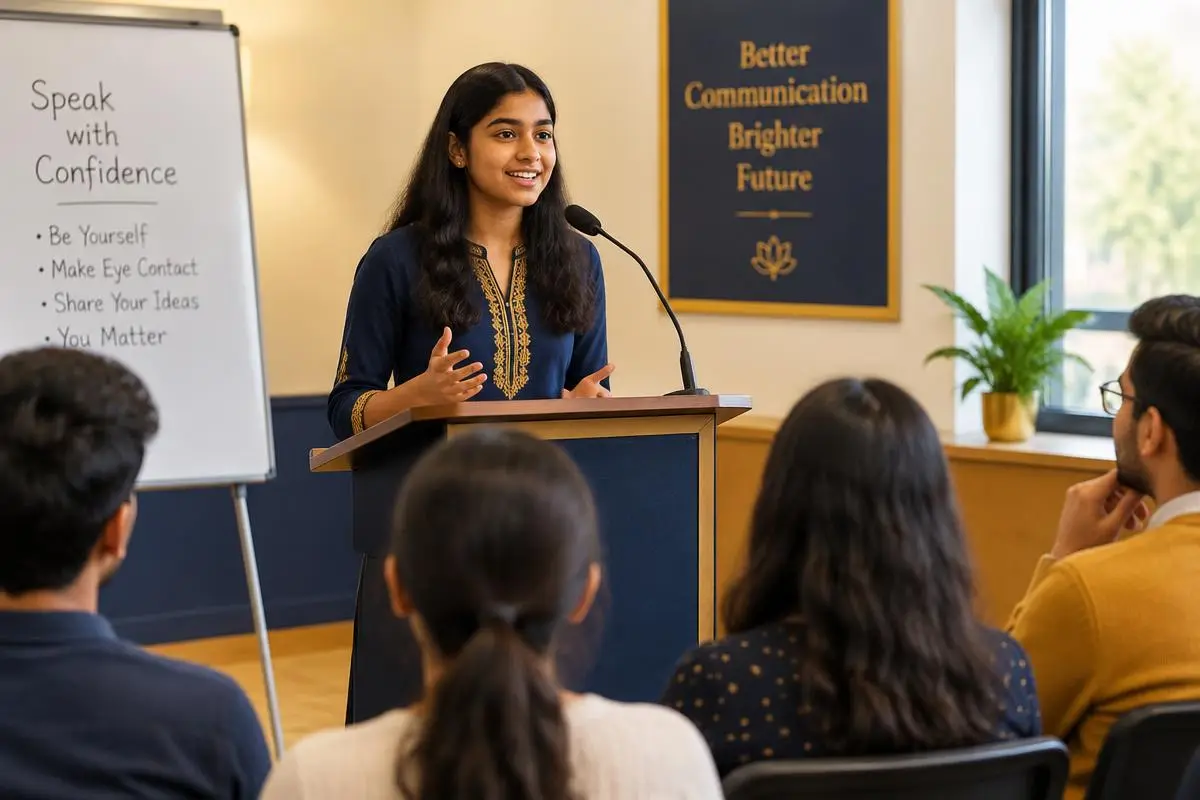
How to Become a Better Communicator
Good communication improves relationships, studies and careers. Learn practical habits for listening, speaking clearly and adapting to your audience.
By Best Group Coaching · · 6 min read
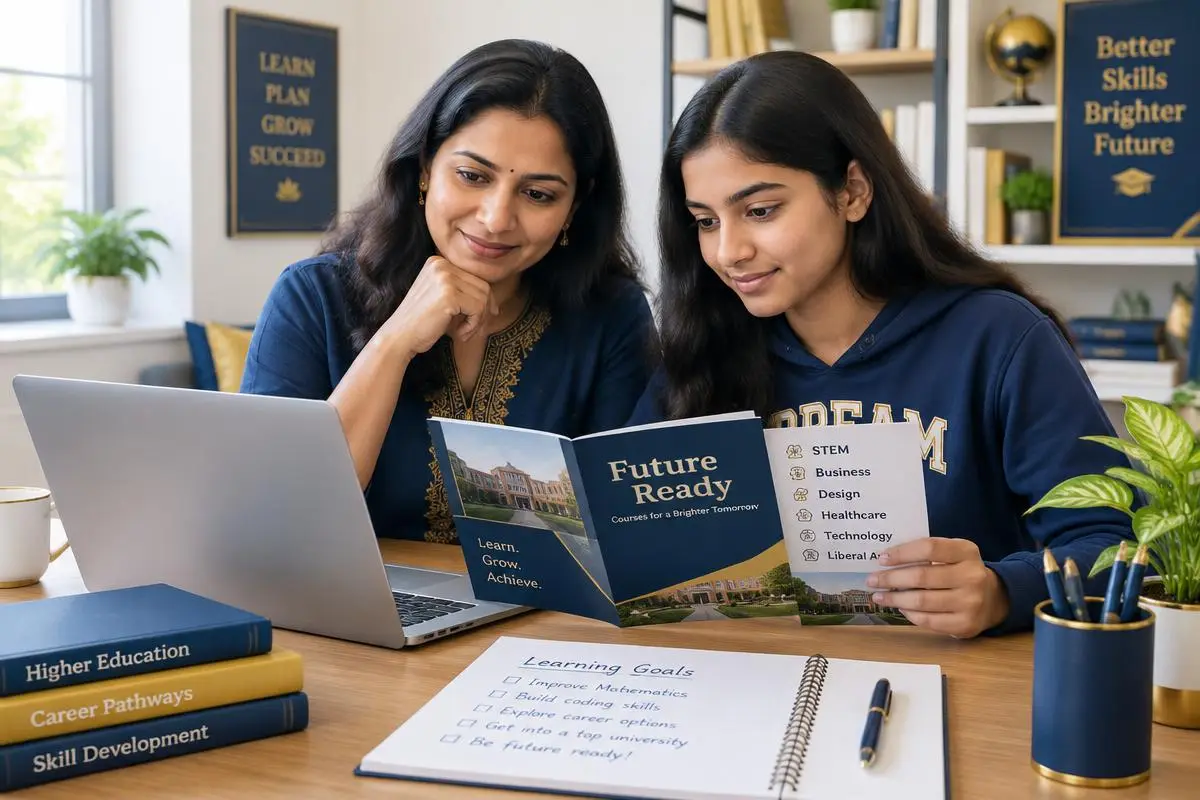
Communication is more than speaking well. It is about understanding others, expressing ideas clearly and building trust. Whether you are a student, professional or parent, these habits will help.
1. Listen actively
Most communication problems start with poor listening. Active listening means:
- Giving full attention without planning your reply.
- Asking clarifying questions.
- Summarising what you heard: "So your main concern is…"
2. Be clear and concise
Before speaking or writing, decide your main point. Lead with it, then add supporting details. Avoid long, complicated sentences when simple ones will do.
3. Know your audience
Explaining a topic to a child, a colleague and a customer requires different words and examples. Ask: What do they already know? What do they need from me?
4. Use non-verbal communication
Eye contact, facial expressions, posture and tone of voice all carry meaning. Make sure they match your words. Read body language tips for confident public speaking for more.
5. Manage emotions
In difficult conversations, pause before responding. Name the issue calmly and focus on solutions rather than blame.
6. Ask good questions
Open questions ("What do you think about…?") invite conversation. Closed questions ("Did you finish?") are useful for quick facts. Good communicators use both.
7. Give and receive feedback well
- Be specific and kind when giving feedback.
- When receiving feedback, listen fully and thank the person before responding.
8. Improve your language skills
If English is not your first language, building vocabulary and fluency will make you more confident in both formal and casual conversations. See how to improve English vocabulary and pronunciation.
9. Practise speaking in front of others
Group discussions, presentations and even family conversations are practice opportunities. The more you speak, the more natural it becomes.
10. Reflect and improve
After an important conversation, ask: What went well? What could I do differently next time?
Build your skills with Best Group Coaching
We offer courses that support communication skills in different ways:
- Public speaking: video course, offline course, group online and 1:1 online.
- Spoken English: offline classes in Surat and an online course.